
Personal Injury
Miami Brain Injury Lawyer
A traumatic brain injury does not just change one day of your life. It can change all of them. If you or a loved one suffered a concussion or a more severe brain injury in an accident someone else caused, we fight for compensation that accounts for the full, lifelong cost, not the insurance company's quick settlement.
- No fees or costs unless we win
- Free case evaluation
- Se habla Español
An Injury You Cannot See From the Outside
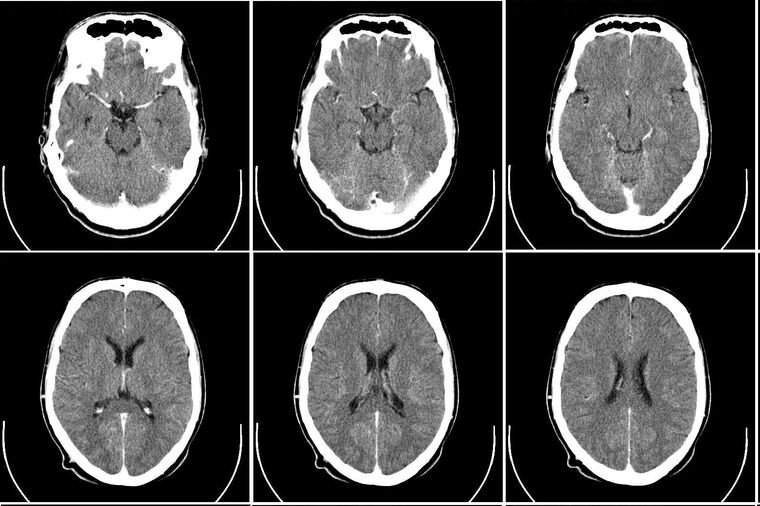
A broken bone shows up on an X-ray. A traumatic brain injury, or TBI, often does not. The person looks fine, sounds fine on a short phone call, and yet struggles with headaches, memory, concentration, mood, and sleep in ways only their family sees.
Insurance adjusters take advantage of that gap. They point to normal scans, early statements that you "felt okay," and gaps in treatment, and they offer a number that covers a few ER bills and nothing else. A brain injury claim done right looks very different: it documents how the injury actually changed your life, and what it will cost over the years ahead.
At Leyva Law, your case is handled directly by attorney Daniela Leyva, not passed to a call center. She builds the medical record, deals with the adjusters, and prepares every claim as if it will go to trial. You pay nothing unless we recover for you.
Brain Injury Symptoms Can Take Days to Appear
According to the CDC, symptoms of a traumatic brain injury, including a concussion, may not show up until days after the injury. Watch for headaches that will not quit, dizziness, nausea, blurry vision, trouble remembering or concentrating, irritability, anxiety, and changes in sleep.
That delay matters for your health and for your claim. See a doctor even if you felt fine at the scene, and report every symptom as it appears so it becomes part of your record. If your injury came from a car crash, Florida's no-fault law (section 627.736, Florida Statutes) generally requires treatment within 14 days for your Personal Injury Protection benefits to pay.
A Normal CT Scan Does Not Rule Out a Brain Injury
One of the most damaging things an adjuster can say is that the scan came back clean, so nothing is wrong. Emergency CT scans are built to find bleeding, swelling and skull fractures, the things that need surgery that night. They are not built to find the microscopic damage that often causes a concussion or a mild traumatic brain injury, and a standard MRI can miss it too.
That is why many people with a real brain injury go home the same day with normal imaging and a headache that never goes away. A clean scan is good news medically. It is not proof that your brain was not hurt, and it should not end the conversation about your claim.
Neuropsychological testing measures something different. Instead of pictures of tissue, it measures function: memory, attention, processing speed, word finding, executive function and mood. A qualified neuropsychologist scores your results against what someone of your age, education and background would be expected to do. That gap, written down and repeated over time, is often the clearest proof that the injury is real. Mild does not mean temporary. A mild TBI can leave deficits that never fully resolve, which is why the word mild describes how the injury looked on day one, not how it will affect the rest of your life.
Car Crash Brain Injuries and Florida's No-Fault Threshold
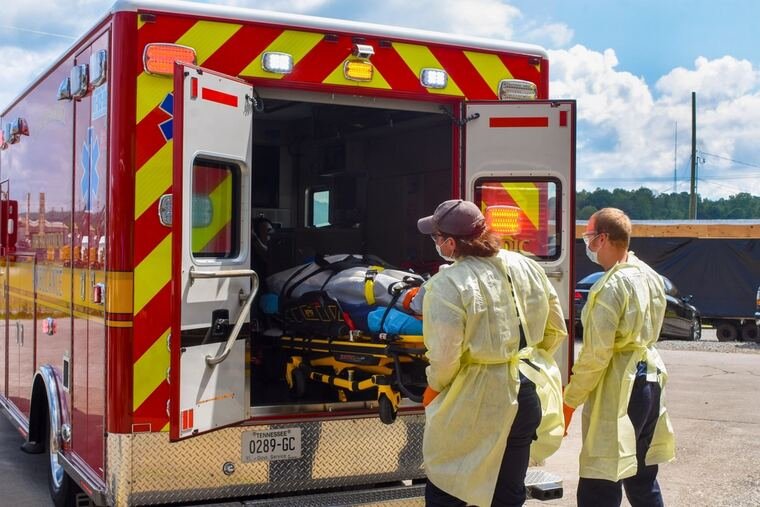
PIP benefits are only a starting point, and they run out fast against the cost of a brain injury. Florida law lets you step outside the no-fault system and pursue the at-fault driver for the full harm, including pain and suffering, when your injury crosses the threshold in section 627.737(2), Florida Statutes: a significant and permanent loss of an important bodily function, a permanent injury within a reasonable degree of medical probability, significant and permanent scarring or disfigurement, or death.
Many brain injuries meet that threshold, but meeting it on paper takes the right proof: neurological evaluations, neuropsychological testing, imaging, and treating physicians who connect your symptoms to the crash. We build that record piece by piece so the insurance company cannot wave the injury away.
The $2,500 PIP Limit and the Emergency Medical Condition Rule
Most people believe Florida PIP pays $10,000 in medical benefits. It can, but only if a qualified provider determines that you had an emergency medical condition. Without that determination, reimbursement is limited to $2,500 under section 627.736(1)(a)4, Florida Statutes.
Head injuries get caught by this rule constantly. Someone is checked at the emergency room, the scan looks normal, they are discharged with no emergency medical condition determination in the file, and benefits stop at $2,500 right as the headaches and memory problems are starting. Ask your treating doctor whether that determination has been documented, and tell us early if it has not.
What a Brain Injury Claim Should Cover
The first offer after a brain injury almost never accounts for the future. A full claim should, including:
Medical care, now and later. Emergency treatment, neurology visits, cognitive rehabilitation, therapy, medication, and the care you are likely to need years from now.
Lost income and earning capacity. The paychecks you have already missed, and the difference if you cannot return to the same work, the same hours, or the same career.
A life care plan. For serious injuries, a detailed projection of lifetime care needs and costs, built with your treating doctors and qualified professionals, so the claim is measured against your future instead of your first hospital bill.
Pain and suffering. Where the law allows it, compensation for what the injury has taken from your daily life, your relationships, and your independence.
When the Insurance Company Says the Crash Was Partly Your Fault
Shifting blame is a standard move in brain injury cases, partly because the injured person often cannot remember the accident clearly. Florida uses modified comparative fault. Under section 768.81(6), Florida Statutes, a party found to be more than 50 percent at fault for their own harm recovers nothing. Below that line, the award is reduced by your share, so a 20 percent finding takes 20 percent off. That subsection does not apply to claims for medical negligence under chapter 766.
This is why memory gaps get used against you, and why the crash investigation matters as much as the medical file. Scene photos, vehicle damage, camera footage and independent witnesses can settle the fault question before it turns into your word against a driver who remembers the day better than you do.
How Long You Have to File a Brain Injury Claim
For accidents after March 24, 2023, you generally have two years to file a negligence lawsuit (section 95.11(5)(a), Florida Statutes). Earlier accidents may fall under the older four-year deadline.
Delayed symptoms make early legal help more important, not less. The sooner the injury is documented and tied to the accident, the harder it is for the insurance company to blame something else. If your TBI came from a crash, our Miami car accident page covers those cases in more detail.
Brain Injury Cases We Handle in Miami-Dade
- Concussions and Mild TBI
- Post-Concussion Syndrome
- Car and Truck Accident Head Injuries
- Motorcycle Crash Brain Injuries
- Pedestrian and Bicycle Accidents
- Slip and Fall Head Trauma
- Construction Accident Brain Injuries
- Wrongful Death From Brain Trauma
Miami Brain Injury FAQ
I felt fine after my accident, but now I have headaches and memory problems. Is it too late?
No. The CDC recognizes that concussion and other brain injury symptoms can take days to appear, and medical records can connect those symptoms to your accident. If a car crash caused your injury, try to be seen within 14 days so your no-fault benefits apply. Either way, get examined now, then talk to us about your options.
Can I recover pain and suffering for a brain injury after a Florida car accident?
Often, yes. Florida's no-fault threshold (section 627.737(2), Florida Statutes) allows pain and suffering damages when an injury is significant and permanent. A permanent brain injury, established within a reasonable degree of medical probability, can meet that threshold. Building the medical proof is a core part of what we do.
What is my brain injury case worth?
No honest lawyer can promise a number at the start. The value depends on your medical bills, your future care needs, your lost income and earning capacity, and how the injury changes your daily life. What we can promise is that we will demand a number that accounts for your future, not just your past.
How long do I have to file a brain injury lawsuit in Florida?
For accidents after March 24, 2023, you generally have two years to file a negligence lawsuit (section 95.11(5)(a), Florida Statutes). Earlier accidents may fall under the older four-year deadline. Because brain injury cases need detailed medical evidence, starting early matters.
How much does a brain injury lawyer cost?
Nothing upfront. We work on contingency, so our fee comes out of the recovery. No fees or costs unless we win.
My CT scan was normal. Does that mean I do not have a brain injury?
Not necessarily. Emergency imaging is built to find bleeding, swelling and fractures, not the microscopic injury that often causes a concussion. Many people with lasting symptoms have normal scans. In these claims, neuropsychological testing and a consistent treatment record often carry more weight than the image does.
What does neuropsychological testing show that an MRI does not?
An MRI shows structure. Neuropsychological testing measures function: memory, attention, processing speed, language and mood, scored against what someone of your age and education would be expected to do. It can put numbers on deficits a scan cannot see, which is often what makes a mild TBI provable.
Should I accept the insurance company's first offer for a concussion?
Talk to a lawyer before you sign anything. A first offer usually reflects the bills already in the file, not the therapy, the lost earning capacity or the long term care a brain injury can require. Once you sign a release, the claim is closed even if your symptoms get worse.
Sources
- Section 627.736, Florida Statutes (Personal Injury Protection benefits, the 14 day treatment rule and the emergency medical condition limit): official text. "Reimbursement for services and care ... is limited to $2,500 if a provider ... determines that the injured person did not have an emergency medical condition"
- Section 627.737, Florida Statutes (tort exemption and the threshold for pain and suffering): official text. "Significant and permanent loss of an important bodily function"
- Section 768.81, Florida Statutes (comparative fault): official text. "any party found to be greater than 50 percent at fault for his or her own harm may not recover any damages"
- Section 95.11, Florida Statutes (time limits for filing suit): official text. "WITHIN TWO YEARS ... An action founded on negligence"
Related: car accidents · motorcycle accidents · slip and fall injuries. This page is general information, not legal advice, and does not create an attorney-client relationship. Prior results do not guarantee a similar outcome.
Talk to a Miami Brain Injury Lawyer Today
Free case evaluation, no obligation, no fees or costs unless we win. English or Spanish.
Office hours
Monday to Friday, 9:00 am to 6:00 pm
Weekends by appointment
Email & fax
info [at] leyva-law.com
Fax (786) 422-1365
Mailing address
9555 SW 175 Terrace #4016
Palmetto Bay, FL 33157
By appointment only