
Insurance Claims
Miami Pipe Leak Claim Lawyer
A pipe leak can ruin floors, walls, and cabinets in a matter of days. Then the insurance company reviews your claim and calls the damage gradual, old, or excluded. We represent homeowners across South Florida whose water damage claims were denied, delayed, or underpaid, and we fight for the full value of the loss.
- No fees or costs unless we win
- Free case evaluation
- Se habla Español
Water Damage Claims Are Won or Lost on the Details
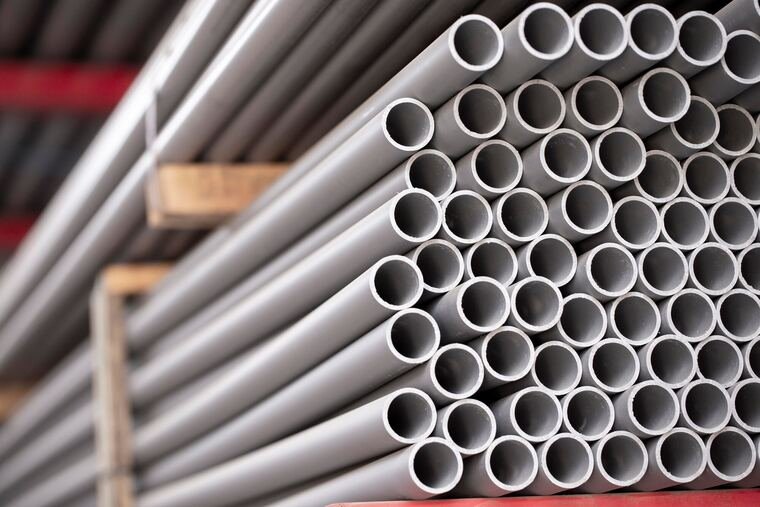
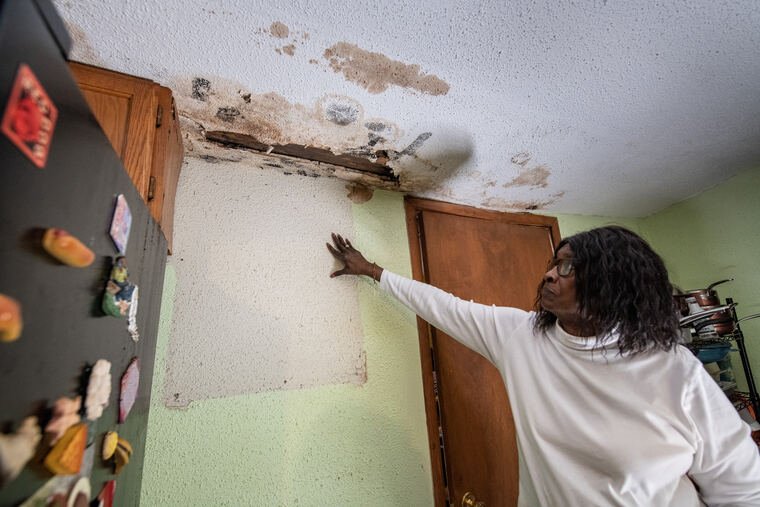
A pipe does not need to burst to wreck a home. A pinhole leak inside a wall, a failed supply line under the sink, or a cracked fitting behind the shower can soak drywall, buckle floors, and feed mold long before you ever see standing water.
When you finally file the claim, the insurance company often answers with a familiar script: the leak was old, the damage happened slowly, and the policy does not cover it. That script is not the law, and it is not the end of your claim.
At Leyva Law, attorney Daniela Leyva handles pipe leak and water damage claims across Miami-Dade, from reporting the loss to the final check. She deals with the adjusters, the plumbing reports, and the policy language so you do not have to, and there are no fees or costs unless we win.
What Your Policy Covers After a Pipe Leak
Most Florida homeowners policies cover water damage that is sudden and accidental: a burst pipe, a water heater that lets go, a washing machine hose that fails while you are at work. What they generally exclude is gradual damage, meaning seepage, long-term leaks, and slow deterioration over time.
Many policies go a step further and exclude damage caused by constant or repeated seepage or leakage of water over a period of 14 days or more. That one sentence sits behind an enormous number of Florida denials, because the insurance company argues the leak must have been running for weeks before you noticed.
That is why the timeline matters so much. When did you first see water, a stain, a smell, or a spike in your water bill? Photos, plumber invoices, and utility records that pin down when the leak started can be the difference between a paid claim and a denied one. We build that timeline for our clients and push back when the insurance company simply assumes the worst.
Deadlines That Control Your Claim
Florida law gives you one year from the date of loss to give the insurance company notice of a property insurance claim (section 627.70132, Florida Statutes). Wait longer and the insurance company can argue the claim is barred, no matter how strong it is.
The law also puts the insurance company on a clock. Under section 627.70131, Florida Statutes, it generally must acknowledge your claim within 7 days and pay or deny it within 60 days of receiving notice, unless factors beyond its control prevent it. If your claim has been sitting for months with no answer, that silence is not normal, and it is not something you have to accept.
Your Right to Repairs That Match
Water rarely damages a room evenly. If a leak destroys part of a tile floor or a run of kitchen cabinets, patching only the wet section can leave you with tile that does not match and cabinets in two different finishes.
Florida law addresses this. Under section 626.9744, Florida Statutes, when the insurance company pays for a covered loss, it generally must pay to replace items in adjoining areas so the repaired area reasonably matches the rest in quality, color, and size. Adjusters like to price a small patch. We push for what the law actually requires.
Who Pays to Open the Wall to Reach the Pipe
A supply line that fails behind a shower or under a slab cannot be reached without demolition. Someone has to cut drywall, pull a vanity or a run of cabinets, lift flooring, or break concrete, and then put all of it back. On a pipe leak claim those access costs are often larger than the water damage itself, and they are where underpayment hides.
Florida law is direct about this. Under section 626.9744(1), Florida Statutes, when a loss requires repair or replacement of an item, the physical damage caused in making that repair is part of the loss up to the applicable limits, as long as it is covered and not otherwise excluded by the policy. These settlement rules generally apply to policies that adjust on a repair or replacement cost basis. So read the estimate line by line. If it prices new drywall but nothing to remove the cabinets that were in the way, the estimate is short.
When the Insurance Company's Engineer Blames Long-Term Seepage
On larger water losses the insurance company often sends its own engineer or a cause and origin consultant, and the report tends to arrive with the same conclusion: the leak ran for months, the damage is gradual, and the seepage exclusion applies. That is an opinion, and an opinion can be tested.
Ask what the consultant actually inspected, whether the failed pipe or fitting was examined or only photographed, what moisture readings were taken and where, and what data fixes the date the leak supposedly started. Many of these reports never look at the failed part at all, which is one reason we tell clients to keep it. Your own record is the counterweight: a water bill that jumps in a single cycle, a plumber who documented a clean break rather than years of corrosion, and photographs of dry material right next to the wet.
When the Damage Turns Out to Be Bigger Than the First Check
Water travels. What looked like one wet wall becomes a floor that has to come up, cabinets that keep swelling, or mold found behind the baseboards weeks later. Florida law treats that later damage differently depending on what it is, and each version carries its own deadline.
A supplemental claim, meaning additional loss or damage from the same peril the insurance company already adjusted, or costs that come up while repairs are being completed, must be reported within 18 months of the date of loss. A reopened claim, meaning one the insurance company closed and you are asking it to look at again for additional costs on damage you already disclosed, falls under the same one year deadline as the original claim. Both rules are in section 627.70132, Florida Statutes.
Treat those as outside limits, not targets, and keep the invoices and photographs that show when the new damage surfaced.
What to Do When You Find a Leak
1. Stop the Water
Shut off the supply valve or the main, and get a plumber out. The sooner the water stops, the smaller the loss and the cleaner your claim.
2. Document Everything
Take photos and video before anything is cleaned up or torn out. If the plumber replaces a broken pipe or fitting, ask to keep the failed piece. Save every invoice and report.
3. Prevent Further Damage
Your policy requires reasonable steps to protect the property, such as drying out the area or tarping and boarding where needed. Keep receipts for fans, water extraction, and emergency repairs. Those costs are part of the claim.
4. Be Careful With Quick Offers
A fast, small check is not generosity, it is strategy. Before you give a recorded statement or accept an offer, have us review the claim. The consultation is free.
Pipe Leak Claims We Handle in Miami-Dade
- Burst Pipes and Failed Fittings
- Under Slab and Behind Wall Leaks
- Water Heater Failures
- Washing Machine and Appliance Hose Failures
- A/C Condensation Line Leaks
- Shower Pan and Bathroom Leaks
- Denied Water Damage Claims
- Underpaid Water Damage Claims
Miami Pipe Leak Claim FAQ
Does homeowners insurance cover pipe leaks in Florida?
Most policies cover water damage that is sudden and accidental, like a burst pipe or a failed appliance hose. They generally exclude slow seepage and long-term leaks, and the cost of fixing the pipe itself is often excluded even when the resulting water damage is covered. Whether your loss is covered depends on your policy language, which we review for free.
The insurance company says my leak lasted more than 14 days. What now?
Many Florida policies exclude damage caused by constant or repeated seepage of water lasting 14 days or more, and insurance companies lean on that exclusion hard. But a denial has to rest on more than a guess. Evidence of when the leak actually started, and of what you reasonably could have known, can defeat that argument. Do not accept a denial without a second opinion.
My water damage claim was denied as wear and tear. Is that final?
No. A denial letter is the insurance company's position, not the last word. Wear and tear may explain why a pipe failed, but the sudden water damage that followed can still be covered depending on your policy. We review denied claims for free, and if the denial does not hold up against the policy language, we pursue the claim.
How long do I have to report a pipe leak claim in Florida?
You generally have one year from the date of loss to give the insurance company notice of a property insurance claim under section 627.70132, Florida Statutes. Waiting also lets the insurance company argue the leak was old, so report the loss and get help as soon as you can.
How long does the insurance company have to pay my claim?
Florida law generally requires the insurance company to acknowledge your claim within 7 days and to pay or deny it within 60 days of receiving notice (section 627.70131, Florida Statutes), unless factors beyond its control prevent it. If your claim has been sitting for months without an answer, we can step in.
Do I have to dry out the house before the adjuster sees it?
Your policy generally requires reasonable steps to protect the property from further damage, so waiting can cost you coverage on whatever gets worse. Document first: photograph and video everything that is wet, then let the drying start. Keep the failed pipe or fitting, keep every invoice for fans, extraction, and emergency repairs, and ask the mitigation company for its moisture logs.
A water mitigation company wants me to sign an assignment of benefits. Should I?
For a residential policy issued on or after January 1, 2023, you cannot. Section 627.7152(13), Florida Statutes, says a policyholder may not assign post-loss benefits under such a policy, and an attempt to do so is void and unenforceable. If a vendor hands you paperwork that transfers your claim or your right to payment, stop and have it reviewed. You can still hire the company to dry the house and keep control of the claim.
Is there a way to resolve the dispute without going to court?
Sometimes. Florida runs a nonbinding mediation program for disputed property insurance claims through the Department of Financial Services under section 627.7015, Florida Statutes, and the insurance company generally pays the cost of the conference. Your policy may also contain an appraisal clause. Neither one fits every claim, and agreeing to the wrong process at the wrong moment can lock in a bad result.
Sources
- Section 626.9744, Florida Statutes (claim settlement practices for property insurance: damage caused in making the repair, and matching): official text. "any physical damage incurred in making such repair or replacement which is covered and not otherwise excluded by the policy shall be included in the loss" and "the insurer shall make reasonable repairs or replacement of items in adjoining areas"
- Section 627.70131, Florida Statutes (insurer duty to acknowledge communications and to pay or deny a claim): official text. "the insurer shall, within 7 calendar days, review and acknowledge receipt of such communication" and "Within 60 days after an insurer receives notice of an initial, reopened, or supplemental property insurance claim ... the insurer shall pay or deny such claim"
- Section 627.70132, Florida Statutes (notice of a property insurance claim, supplemental claim, and reopened claim): official text. "A claim or reopened claim, but not a supplemental claim, ... is barred unless notice ... was given to the insurer ... within 1 year after the date of loss" and "A supplemental claim is barred unless notice of the supplemental claim was given to the insurer ... within 18 months after the date of loss"
- Section 627.7152, Florida Statutes (assignment agreements): official text. "a policyholder may not assign, in whole or in part, any post-loss insurance benefit under any residential property insurance policy ... issued on or after January 1, 2023"
- Section 627.7015, Florida Statutes (alternative procedure for resolution of disputed property insurance claims): official text. "This section sets forth a nonadversarial alternative dispute resolution procedure for a mediated claim resolution conference" and "the insurer must bear all of the cost of conducting mediation conferences"
Related: cast iron pipe claims · property insurance claims · flood damage claims. This page is general information, not legal advice, and does not create an attorney-client relationship. Prior results do not guarantee a similar outcome.
Talk to a Miami Pipe Leak Claim Lawyer Today
Free case evaluation, no obligation, no fees or costs unless we win. English or Spanish.
Office hours
Monday to Friday, 9:00 am to 6:00 pm
Weekends by appointment
Email & fax
info [at] leyva-law.com
Fax (786) 422-1365
Mailing address
9555 SW 175 Terrace #4016
Palmetto Bay, FL 33157
By appointment only