
Insurance Claims
Miami Flood Damage Claim Lawyer
Most Miami homeowners find out what their policy really covers only after the water rises. Standard homeowners insurance excludes flood damage, which falls under separate flood policies with strict rules of their own. We figure out which policy owes what, handle every adjuster, and fight for full payment.
- No fees or costs unless we win
- Free case evaluation
- Se habla Español
Flood Damage Plays by Different Rules
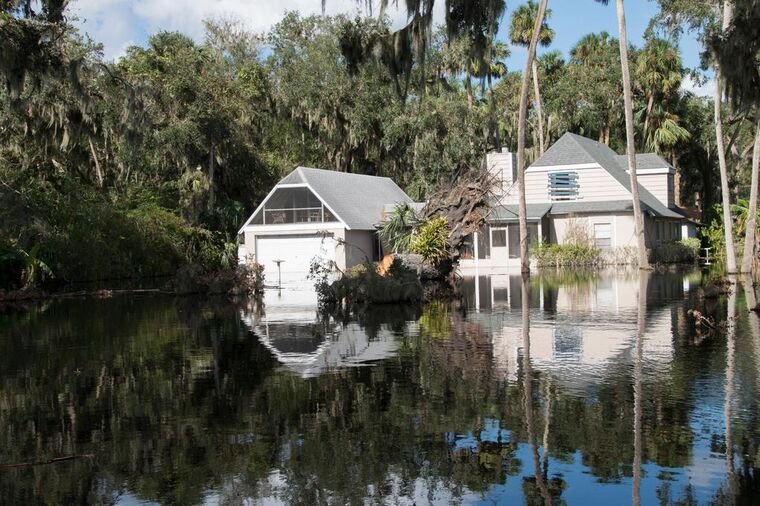
In South Florida, water finds its way in: storm surge from a hurricane, canals that overflow, king tides, and summer downpours that turn streets into rivers. When that water enters your home, the claim that follows is not like other insurance claims. Standard homeowners policies exclude flood, which insurers define as water rising from outside the home.
Coverage for rising water comes from a separate flood policy, most often through the National Flood Insurance Program (NFIP) and sometimes through a private flood insurer. Each policy has its own deadlines, its own paperwork, and its own adjusters. At Leyva Law, attorney Daniela Leyva handles both the flood claim and any related homeowners claim so nothing falls through the gap between them. No fees or costs unless we win.
What Counts as Flood, and Why It Matters
Whether damage is classified as flood decides which policy pays, which deductible applies, and how much coverage is available. Water that rises from the ground, such as storm surge or an overflowing canal, is flood. Water that enters from above, such as rain pouring through a roof the wind just damaged, is generally a homeowners claim. A burst pipe inside the home is a different homeowners claim altogether.
After a major storm, each insurer has an incentive to call the damage something the other policy covers. The flood carrier says the wind did it. The homeowners carrier says the water rose. While they point at each other, your repairs wait. We gather the evidence, weather data, adjuster reports, and inspection findings, to establish what actually caused each part of the loss, and we pursue both claims at once.
NFIP Claims Follow Strict Federal Rules
If your flood policy comes through the NFIP, federal law controls most of the process, and the deadlines are unforgiving. You generally must submit a signed, sworn proof of loss within 60 days of the loss. If the claim is denied in writing, a lawsuit must be filed within one year of the written denial. Courts apply these rules strictly, and claims have been lost over paperwork that was late or incomplete.
NFIP coverage is also capped. A single family home can carry up to $250,000 in building coverage and $100,000 for contents, so a serious flood can exceed the policy even when it pays in full. We make sure the NFIP claim is documented correctly and on time, and we look for every other policy that may share the loss.
When Wind and Water Combine

Hurricanes rarely choose one kind of damage. Wind opens the roof while storm surge fills the first floor, and the insurers argue over which cause gets the blame. In Sebo v. American Home Assurance Co. (Fla. 2016), the Florida Supreme Court held that when covered and excluded causes combine to produce a loss, coverage can still exist under what is called the concurrent causation doctrine.
The exact wording of your policy still matters, because some policies contain language written to limit that doctrine. This is exactly the kind of dispute where an attorney's review of the policy changes the outcome of a claim. We read the policy, apply the law, and push back when a denial rests on a cause the company cannot prove.
Deadlines on the Homeowners Side
The wind and rain portion of a storm loss belongs on your homeowners policy, and Florida deadlines apply to it. Under section 627.70132, Florida Statutes, you must give notice of a new claim within one year of the date of loss. Under section 627.70131, Florida Statutes, the insurance company generally must acknowledge the claim within 7 days and pay or deny it within 60 days, unless factors beyond its control prevent it.
If a hurricane caused your flooding, the storm side of the loss has its own issues and deadlines. Our Miami hurricane damage claim page covers that side in detail.
Flood Claims We Handle in South Florida
- Storm Surge and Rising Water Damage
- Flash Flood and Heavy Rain Losses
- King Tide and Street Flooding
- NFIP Claim Denials and Underpayments
- Private Flood Policy Disputes
- Wind Versus Flood Coverage Disputes
- Contents and Personal Property Losses
- Mold After Flood Water Intrusion
Miami Flood Claim FAQ
Does my homeowners policy cover flood damage?
Almost never. Standard homeowners policies exclude flood, meaning water that rises from outside the home, such as storm surge, overflowing canals, or street flooding from heavy rain. Coverage for that water comes from a separate flood policy through the National Flood Insurance Program or a private flood insurer. Water that enters from above, like rain through a wind-damaged roof, is usually a homeowners claim instead.
What deadlines apply to an NFIP flood claim?
NFIP claims run on strict federal rules. You generally must send a signed, sworn proof of loss within 60 days of the loss, and if the claim is denied in writing, any lawsuit must be filed within one year of the written denial. Courts enforce these deadlines strictly, so do not wait to get help.
What if wind and flooding both damaged my home?
This is one of the most common fights after a hurricane, because wind damage belongs to your homeowners policy and rising water belongs to your flood policy. In Sebo v. American Home Assurance Co. (Fla. 2016), the Florida Supreme Court held that when covered and excluded causes combine to create a loss, coverage can still exist under the concurrent causation doctrine, although the exact policy language matters. We analyze both policies and pursue every dollar each one owes.
How long do I have to report water damage to my homeowners insurance?
For the homeowners side of a storm loss, section 627.70132, Florida Statutes, requires notice of a new claim within one year of the date of loss. The insurance company then generally has 60 days to pay or deny the claim under section 627.70131, Florida Statutes. The flood policy side has its own separate federal deadlines.
What does a flood claim lawyer cost?
Nothing upfront. We work on contingency, the consultation is free, and our fee comes out of the recovery. No fees or costs unless we win.
Related: hurricane damage claims · property insurance claims · pipe leak claims. This page is general information, not legal advice, and does not create an attorney-client relationship. Prior results do not guarantee a similar outcome.
Talk to a Miami Flood Claim Lawyer Today
Free case evaluation, no obligation, no fees or costs unless we win. English or Spanish.
Office hours
Monday to Friday, 9:00 am to 6:00 pm
Weekends by appointment
Email & fax
info [at] leyva-law.com
Fax (786) 422-1365
Mailing address
9555 SW 175 Terrace #4016
Palmetto Bay, FL 33157
By appointment only