
Insurance Claims
Miami Hurricane Damage Claim Lawyer
You paid your premiums for years. Now that a hurricane has damaged your home, it is the insurance company's turn to keep its promise. Whether your claim is new, underpaid, delayed, or denied, we handle it start to finish and fight for the full value of your loss.
- No fees or costs unless we win
- Free case evaluation
- Se habla Español
After the Storm, the Second Fight Begins
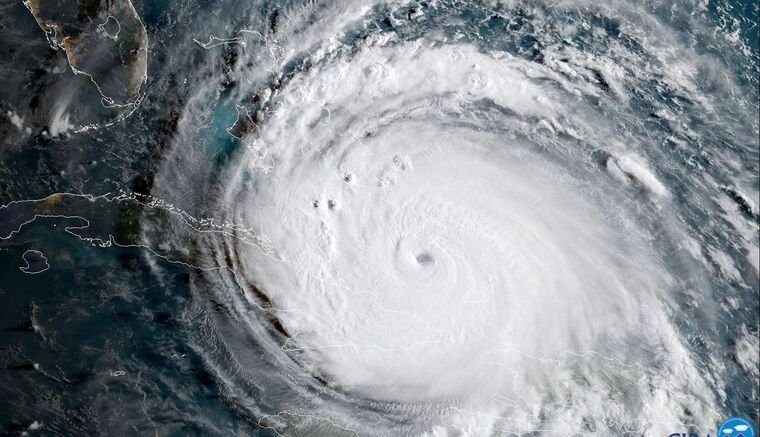
When a hurricane tears through Miami, the damage does not end when the wind dies down. Shingles are gone, water has soaked the ceilings, the fence is in the neighbor's yard, and the house you worked for needs serious repairs. Reporting the damage should be the end of the problem, not the start of a new one.
Too often it does not work that way. The adjuster's estimate comes in far below what contractors actually charge, the check does not cover the roof, or the claim is denied over an exclusion buried in the policy. At Leyva Law, attorney Daniela Leyva handles hurricane claims from the first notice to the final payment, and she prepares every claim as if it will be litigated, because that is what moves insurance companies. No fees or costs unless we win.
What to Do After Hurricane Damage in Miami
What you do in the days after the storm protects both your home and your claim:
1. Report Your Claim Right Away
Florida law gives you a deadline to report hurricane damage, and your policy requires prompt notice on top of that. Reporting early also puts you ahead of the wave of claims that follows every major storm. We can report the claim for you.
2. Document Everything
Photograph and video every damaged area before anything is moved or repaired: the roof if you can do so safely, each room, the yard, and damaged furniture and belongings. Keep damaged items until the insurance company has inspected them.
3. Make Reasonable Temporary Repairs
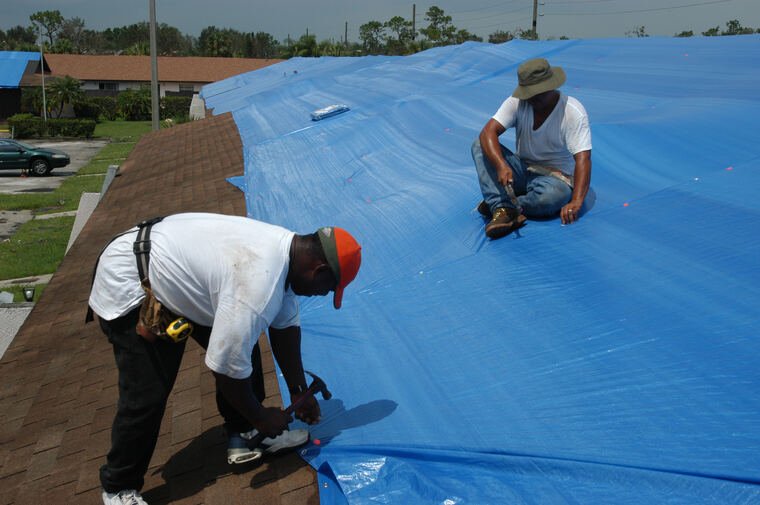
Your policy requires you to protect the property from further damage, so tarp the roof, board up broken windows, and dry out standing water. Keep every receipt, because those costs are part of your claim. Do not make permanent repairs until the damage has been inspected.
4. Do Not Treat the First Estimate as Final
The first check after a hurricane is often a fraction of the real repair cost. In most cases, cashing it does not end your claim unless you signed a release. Before you accept any figure as final, have it reviewed. Our review is free.
You Have One Year to Report a Hurricane Claim
Under section 627.70132, Florida Statutes, you must give the insurance company notice of a new hurricane or windstorm claim within one year of the date of loss, which for a hurricane is generally the date the storm struck. If the initial payment was not enough and you need to claim more, a supplemental claim must be submitted within 18 months of the date of loss.
These windows used to be longer. The Legislature shortened them in December 2022, so deadlines you may remember from older storms no longer apply. Missing the window gives the insurance company an easy reason to deny the claim, and every week that passes makes the damage harder to prove. The safest move is to start now.
What the Insurance Company Must Do, and When
Florida law also puts the insurance company on a clock. Under section 627.70131, Florida Statutes, the insurer generally must acknowledge your claim within 7 days, begin its investigation within 7 days of receiving your proof of loss, and pay or deny the claim in whole or in part within 60 days, unless circumstances beyond its control prevent it.
When a company ignores those deadlines, delays inspections, or keeps asking for the same documents, we push back in writing, document every violation, and move the claim toward payment or a courtroom. Insurance companies respond differently when a law firm is counting the days.
Hurricane Deductibles and Underpaid Claims
Hurricane damage is subject to a special deductible that is usually a percentage of your dwelling coverage rather than a flat dollar amount. Section 627.701, Florida Statutes, requires insurers to offer a menu of hurricane deductible options, typically 2 percent, 5 percent, or 10 percent of the dwelling limit (a flat $500 option is required only for smaller dwelling limits). On a home insured for $400,000, a 5 percent deductible means the first $20,000 of hurricane damage comes out of your pocket.
That math makes an accurate estimate critical. If the insurance company undervalues your roof, applies depreciation aggressively, or labels storm damage as wear and tear, what is left after the deductible can shrink to almost nothing. We build our own damage estimate with contractors and licensed professionals, we use the mediation program run by the Florida Department of Financial Services under section 627.7015, Florida Statutes, when it helps, and when the company still will not pay, we file suit.
One important limit: standard homeowners policies exclude flood, meaning water that rises from the ground, like storm surge. If rising water damaged your home during a hurricane, that part of the loss usually belongs on a separate flood policy. We handle those claims too: see our Miami flood damage claim page.
Wind Damage or Flood Damage: Why the Label Decides Who Pays
One hurricane can damage the same house two different ways, and the two travel on different policies. Wind, and rain that gets in through an opening the wind created, generally falls under the homeowners policy. Water that rises from the ground, including storm surge, is generally excluded there and belongs on a separate flood policy through the National Flood Insurance Program or a private flood insurer.
That split is where a lot of hurricane money is lost. If the adjuster writes the whole loss up as surge, the homeowners carrier pays little or nothing. What separates the two is physical evidence: how high the water line sits on the walls, whether the ceiling and the insulation above that line are wet, and the condition of the roof. We photograph and measure it early, because it disappears once demolition starts.
One Hurricane Deductible a Year, Not One Per Storm
Under section 627.701(5), Florida Statutes, the hurricane deductible on a personal residential policy generally applies on an annual basis to all covered hurricane losses during the calendar year, not separately to each storm. If you already had a hurricane loss earlier that year, the insurance company may apply to the next storm only the greater of what is left of the hurricane deductible or your regular all other perils deductible.
There is a catch that costs people money. The statute lets insurers require you to report hurricane losses that fall below the deductible, or to keep receipts of them, in order to count them toward a later storm. So report the small damage even when you expect no check, and keep the paperwork. Commercial residential policies work differently, since there the insurer must offer both an annual deductible and one that applies to each hurricane.
Condo Owners and Hurricane Loss Assessments
In a Miami condominium the association insures the building and you insure your unit, so a hurricane usually produces two claims. When the association's insurance does not cover the whole repair, the board can levy a loss assessment and pass your share on to you. Many unit owner policies include loss assessment coverage for exactly that, and most owners never think about it until the bill arrives.
It has its own clock. Under section 627.70132(4), Florida Statutes, notice of a loss assessment claim can never be given later than 3 years after the date of loss, and it must be given by the later of one year after the date of loss or 90 days after the association votes to levy the assessment. For a hurricane, the date of loss is the date the storm made landfall.
Hurricane Claims We Handle in South Florida
- Roof and Structural Damage
- Wind and Wind-Driven Rain Damage
- Water Intrusion and Ceiling Collapse
- Broken Windows, Doors, and Screen Enclosures
- Fence, Pool, and Exterior Damage
- Mold After Storm Water Intrusion
- Denied and Underpaid Hurricane Claims
- Supplemental and Reopened Claims
Miami Hurricane Claim FAQ
How long do I have to file a hurricane claim in Florida?
Under section 627.70132, Florida Statutes, you must give the insurance company notice of a new hurricane claim within one year of the date of loss, which is generally the date the storm struck. If you already filed and need to claim additional amounts, a supplemental claim must be submitted within 18 months. These windows are much shorter than they were for older storms, so act quickly.
How long does the insurance company have to pay my hurricane claim?
Florida law sets deadlines for the insurer too. Under section 627.70131, Florida Statutes, the company generally must acknowledge your claim within 7 days, begin its investigation within 7 days of receiving your proof of loss, and pay or deny the claim within 60 days, unless factors beyond its control prevent it. If your claim is stuck, those deadlines are leverage.
What is a hurricane deductible?
Most Florida policies carry a separate hurricane deductible calculated as a percentage of your dwelling coverage rather than a flat amount. Under section 627.701, Florida Statutes, insurers must offer a menu of options, typically 2 percent, 5 percent, or 10 percent of the dwelling limit (a flat $500 option is required only for smaller dwelling limits). On a large policy, a percentage deductible can mean tens of thousands of dollars, which is one more reason the estimate needs to be right.
My hurricane claim was denied or underpaid. Is it too late?
Often no. If you did not sign a release, you may still be able to challenge a denial or seek additional payment through a supplemental claim, mediation through the Florida Department of Financial Services under section 627.7015, Florida Statutes, or a lawsuit. We review denied and underpaid hurricane claims for free.
What does a hurricane claim lawyer cost?
Nothing upfront. We work on contingency, so our fee comes out of the recovery, and the consultation is free. No fees or costs unless we win.
Do I pay the hurricane deductible again if a second storm hits the same year?
Generally no. Under section 627.701(5), Florida Statutes, the hurricane deductible on a personal residential policy applies on an annual basis to all covered hurricane losses in the same calendar year. For the second storm the insurance company may apply only the greater of what is left of that deductible or your all other perils deductible. Insurers may require you to have reported the earlier losses, so report them even when they are small.
The new roof tiles do not match the old ones. Does the insurance company have to fix that?
Section 626.9744(2), Florida Statutes, says that when replaced items do not match in quality, color, or size, the insurer must make reasonable repairs or replacement of items in adjoining areas, and it lists the factors the insurer may weigh. Subsection (1) also puts the physical damage caused in making the repair, such as tear out, into the loss up to policy limits. These rules apply to policies that adjust on a repair or replacement cost basis unless the policy provides otherwise.
Is Florida's free mediation program worth using on a hurricane claim?
Often yes. Section 627.7015, Florida Statutes, sets up a nonbinding mediation run by the Florida Department of Financial Services for personal lines and commercial residential property claims, and the insurance company bears the cost of the conference. You may bring your lawyer. If a written settlement is signed, you generally have 3 business days to rescind it unless you already cashed the check. It does not apply to commercial coverages or to auto policies.
Sources
- Section 626.9744, Florida Statutes (matching, and damage caused in making the repair): official text. "... the replaced items do not match in quality, color, or size, the insurer shall make reasonable repairs or replacement of items in adjoining areas."
- Section 627.701, Florida Statutes (hurricane deductibles and how they apply): official text. "The hurricane deductible shall apply on an annual basis to all covered hurricane losses that occur during the calendar year ..."
- Section 627.70131, Florida Statutes (insurer duties and timelines): official text. "Within 60 days after an insurer receives notice of an initial, reopened, or supplemental property insurance claim ... the insurer shall pay or deny such claim"
- Section 627.70132, Florida Statutes (deadline to give notice of a claim): official text. "... is barred unless notice of the claim was given to the insurer ... within 1 year after the date of loss."
- Section 627.7015, Florida Statutes (state mediation program for property claims): official text. "the insurer must bear all of the cost of conducting mediation conferences ... Mediation is nonbinding"
Related: flood damage claims · property insurance claims · fire damage claims. This page is general information, not legal advice, and does not create an attorney-client relationship. Prior results do not guarantee a similar outcome.
Talk to a Miami Hurricane Claim Lawyer Today
Free case evaluation, no obligation, no fees or costs unless we win. English or Spanish.
Office hours
Monday to Friday, 9:00 am to 6:00 pm
Weekends by appointment
Email & fax
info [at] leyva-law.com
Fax (786) 422-1365
Mailing address
9555 SW 175 Terrace #4016
Palmetto Bay, FL 33157
By appointment only