
Personal Injury
Miami Rideshare Accident Lawyer
Hurt in a crash involving an Uber or Lyft in Miami? The insurance coverage available for your injuries depends on what the driver's app was doing at the moment of impact. We represent injured passengers, drivers, and pedestrians across South Florida, untangle the coverage layers, and fight for the full value of your claim.
- No fees or costs unless we win
- Free case evaluation
- Se habla Español
Rideshare Crashes Add Layers That Ordinary Accidents Do Not Have
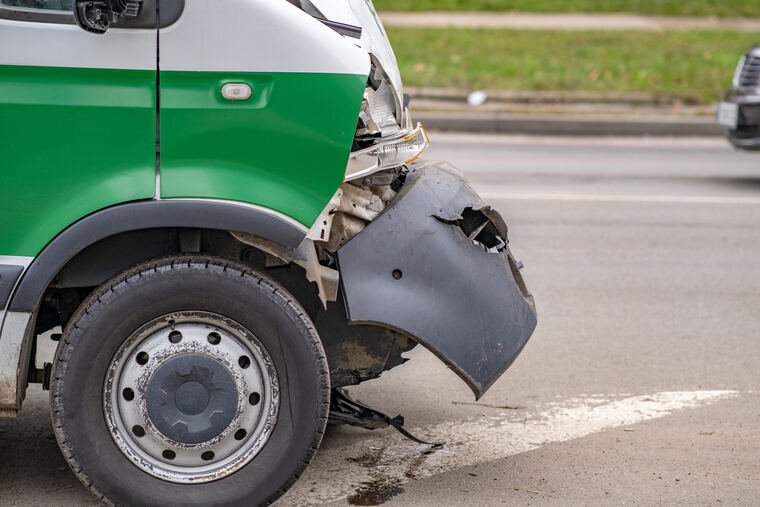
Thousands of Uber and Lyft trips crisscross Miami every day: to the airport, to Brickell, to the beach. When one of those trips ends in a crash, the usual questions (who was at fault, who pays) come with an extra one: what was the app doing at that exact moment? The answer can change the available insurance coverage from a basic personal policy to $1 million.
The rideshare companies and their insurance companies know how to use that complexity. Claims get bounced between insurers, each pointing at the other while your bills pile up. At Leyva Law, attorney Daniela Leyva handles your case directly, pins down which coverage applies, and deals with every insurance company involved so you do not have to.
Florida's Rideshare Insurance Law: What Coverage Applies
Florida regulates Uber, Lyft, and other transportation network companies under section 627.748, Florida Statutes. The law divides a rideshare driver's time into periods, and the required insurance changes with each one:
A Ride Is Accepted or a Passenger Is in the Car
From the moment the driver accepts a ride until the passenger gets out, the law requires $1 million in liability coverage. This is the coverage that typically protects injured passengers and anyone the rideshare driver hits during a trip.
The Driver Is Logged In, Waiting for a Request
When the driver is on the app but has not accepted a ride, the law requires primary liability coverage of at least $50,000 per person and $100,000 per crash for bodily injury, plus $25,000 for property damage.
The App Is Off
With the app off, the driver is just another motorist, and only their personal auto policy applies. Be aware that many personal policies exclude coverage while a driver is working for a rideshare app, which is exactly why the periods above matter so much.
Proving which period applies takes evidence: trip records, app data, and driver statements. We demand that data early and hold the insurance companies to what the law requires.
Who Can Bring a Rideshare Injury Claim
You do not have to be a passenger to have a claim. We represent passengers riding in an Uber or Lyft, drivers and occupants of other cars hit by a rideshare vehicle, pedestrians, bicyclists, and motorcycle riders struck by a rideshare driver, and rideshare drivers themselves who were hit by a negligent motorist.
Each of those situations triggers different coverage, and sorting that out quickly is a large part of what we do.
PIP, the 14-Day Rule, and the $2,500 Trap
PIP is your own no-fault coverage, and it pays first regardless of who caused the crash. Two rules quietly decide how much of it you actually get.
The first is the clock. Initial services and care have to be provided within 14 days of the accident (section 627.736(1)(a), Florida Statutes). Miss that window and the medical benefits are not payable at all.
The second catches almost everyone. Even inside the 14 days, reimbursement is limited to $2,500 if a provider determines you did not have an emergency medical condition (section 627.736(1)(a)4). The full $10,000 requires that determination from a qualified provider. The passenger who goes to an urgent care, feels better, and never follows up often lands in the $2,500 group without ever being told.
This surprises people more in rideshare cases, because a passenger assumes the $1 million policy covers everything from the start. That layer is liability coverage. It is not what pays your immediate medical bills.
When You Can Recover for Pain and Suffering
Florida is a no-fault state, so pain, suffering, mental anguish, and inconvenience are only recoverable if the injury crosses a legal threshold. Section 627.737(2), Florida Statutes, limits it to four categories: significant and permanent loss of an important bodily function; permanent injury within a reasonable degree of medical probability, other than scarring or disfigurement; significant and permanent scarring or disfigurement; or death.
Whether you cross that line is a medical question answered by your records, not by an adjuster's opinion. That is why consistent, documented treatment matters so much, and why gaps in care are the first thing the other side looks for.
If the Insurance Company Says the Crash Was Partly Your Fault
Expect that argument. Since 2023 Florida applies modified comparative fault: a party found more than 50 percent at fault for their own harm recovers nothing (section 768.81(6), Florida Statutes). Below that line, your compensation is reduced by your percentage of fault.
So shifting blame is not noise, it is a defense strategy with a cliff at 51 percent. What you say in the first recorded call can be used to push you toward it. The rule does not apply to medical negligence claims under chapter 766.
What to Do After an Uber or Lyft Accident in Miami
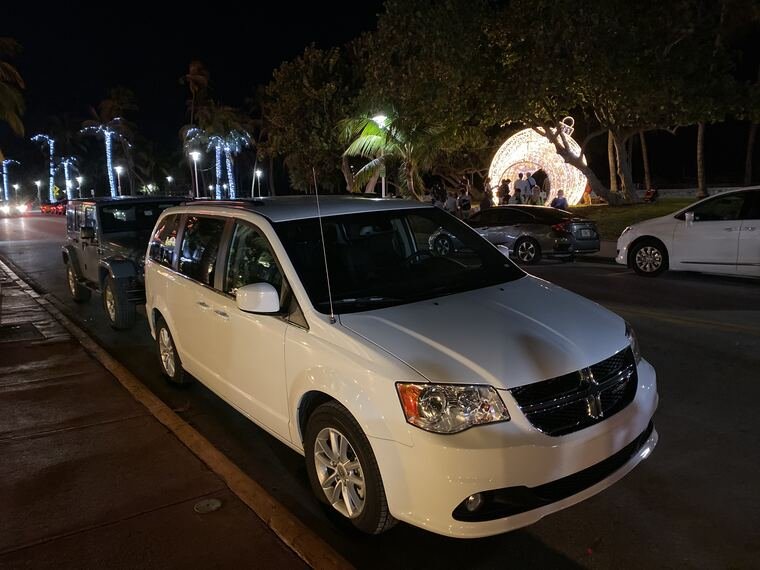
1. Call 911 and Get Checked Out
A police report ties the crash, the driver, and the vehicles together in one official record. Then see a doctor within 14 days: Florida's no-fault law (section 627.736, Florida Statutes) requires treatment within that window for your own Personal Injury Protection benefits to pay.
2. Screenshot the Trip
Before the app updates or the trip disappears from view, capture the trip screen, the driver's name and photo, the vehicle, and the receipt. That data ties the crash to a covered rideshare period.
3. Report the Crash in the App
Both Uber and Lyft have in-app crash reporting. Reporting creates a record with the company itself, not just with the police.
4. Talk to a Lawyer Before the Insurers
You may hear from several insurance companies, each trying to move the claim somewhere else or close it cheap. Before any recorded statement or settlement offer, get legal advice. The consultation is free.
The Deadline to File a Rideshare Injury Lawsuit
For crashes after March 24, 2023, Florida generally gives you two years to file a negligence lawsuit (section 95.11(5)(a), Florida Statutes). Earlier crashes usually fall under the older four-year deadline. App data and trip records are far easier to obtain close to the crash, so the sooner we start, the better.
Rideshare Accident Cases We Handle in Miami-Dade
- Injured Uber and Lyft Passengers
- Rideshare Drivers Hit by Negligent Motorists
- Drivers Struck by an Uber or Lyft
- Pedestrians and Bicyclists Hit by Rideshare Vehicles
- Motorcycle and Scooter Riders in Rideshare Crashes
- Hit-and-Run and Uninsured Rideshare Collisions
- Airport and Late-Night Trip Accidents
- Wrongful Death
Miami Rideshare Accident FAQ
Can I sue Uber or Lyft directly after an accident?
Usually the claim is made against the insurance coverage that Florida law requires for rideshare driving, not against the company itself, because drivers are treated as independent contractors. The good news is that the required coverage is substantial: up to $1 million while a ride is in progress. We identify every policy that applies to your crash.
I was a passenger in the Uber. Whose insurance pays for my injuries?
As a passenger you are covered by the $1 million policy that applies whenever a passenger is in the car, no matter which driver caused the crash. If another driver was at fault, their policy may apply as well. Passenger claims are often the clearest rideshare cases because coverage is rarely in doubt.
What if the driver was waiting for a ride request when the crash happened?
That period carries lower required coverage: at least $50,000 per person and $100,000 per crash for bodily injury, plus $25,000 for property damage. Proving the driver's app status becomes critical, and it is something we push the companies to document early.
I drive for Uber or Lyft and was hit by another driver. Am I covered?
You may have several options: the at-fault driver's policy, your own Personal Injury Protection benefits, and depending on your app status and the policies in place, rideshare coverage as well. Do not assume you are on your own just because you were working.
How long do I have to file a rideshare accident claim in Florida?
For crashes after March 24, 2023, you generally have two years to file a negligence lawsuit under section 95.11(5)(a), Florida Statutes. Earlier crashes are usually governed by the older four-year deadline. Trip and app records fade fast, so contact us as early as you can.
The adjuster says my PIP is only $2,500. Is that right?
It can be, for one specific reason: PIP reimbursement is limited to $2,500 when a provider determines you did not have an emergency medical condition. The full $10,000 requires that determination. If nobody ever made one, it is worth reviewing your medical records before you accept that number.
Uber's insurance called the next day with an offer. Should I take it?
Understand what the offer buys before you answer. A fast offer arrives before anyone knows the full extent of your injuries, and accepting it normally means signing a release that closes the claim permanently, even if you need surgery three months later. Talk to someone before you sign. The consultation is free.
The crash was partly my fault. Do I still have a case?
Probably, as long as your share of the fault is not more than 50 percent. Above that line Florida law lets you recover nothing, and below it your compensation is reduced by your percentage. Who was at fault, and by how much, is rarely as settled as the adjuster makes it sound.
Sources
- Section 627.748, Florida Statutes (transportation network companies): official text. "A primary automobile liability coverage of at least $1 million for death, bodily injury, and property damage"
- Section 627.736, Florida Statutes (Personal Injury Protection): official text. Care must begin within 14 days, and the emergency medical condition finding controls the limit. "Reimbursement ... is limited to $2,500 if a provider ... determines that the injured person did not have an emergency medical condition"
- Section 627.737, Florida Statutes (tort exemption and threshold): official text. "Significant and permanent loss of an important bodily function"
- Section 768.81, Florida Statutes (comparative fault): official text. "any party found to be greater than 50 percent at fault for his or her own harm may not recover any damages"
- Section 95.11, Florida Statutes (limitations of actions): official text. Negligence actions fall under the two year list. "WITHIN TWO YEARS ... An action founded on negligence"
Related: car accidents · pedestrian accidents · brain injuries. This page is general information, not legal advice, and does not create an attorney-client relationship. Prior results do not guarantee a similar outcome.
Talk to a Miami Rideshare Accident Lawyer Today
Free case evaluation, no obligation, no fees or costs unless we win. English or Spanish.
Office hours
Monday to Friday, 9:00 am to 6:00 pm
Weekends by appointment
Email & fax
info [at] leyva-law.com
Fax (786) 422-1365
Mailing address
9555 SW 175 Terrace #4016
Palmetto Bay, FL 33157
By appointment only